
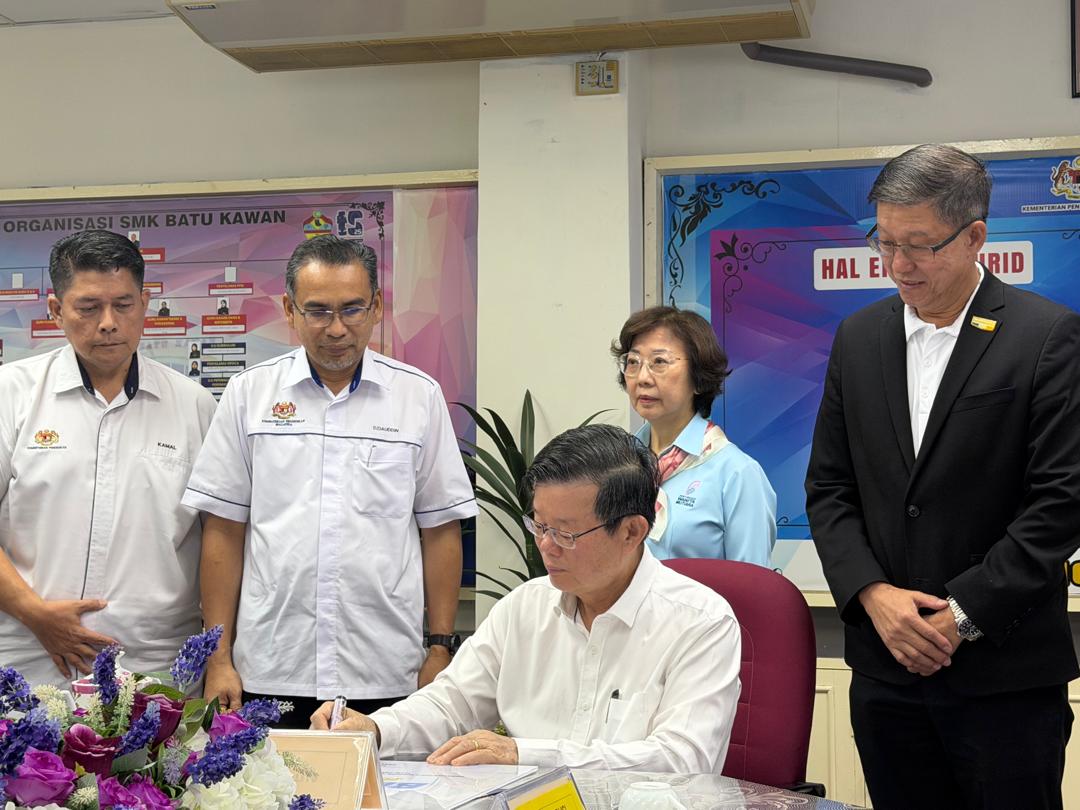
BUKIT TAMBUN – The Penang State Government has commended the commitment of various parties, including community organisations, the private sector and government institutions, in strengthening the inclusive education agenda, particularly for students with special needs.
Chief Minister Y.A.B. Mr Chow Kon Yeow said that cross-sector collaboration proves that providing quality and empowering education requires the involvement of the entire community ecosystem.
According to him, the State Government remains committed to supporting the goal of "Inclusive, Empowering and Quality Education", in the firm belief that every child has their own potential regardless of background or ability.
"Every child has their own potential that we need to help discover and nurture.
"The presence of 21st Century Learning (PAK21) classrooms today is not merely a physical improvement of a classroom. It is an educational approach to ensure that children in the Special Education Integrated Programme (PPKI) also gain access to quality, inclusive education that keeps pace with current demands," he said, after officiating the PAK21 Pilot Programme for PPKI Students in Penang at Sekolah Menengah Kebangsaan (SMK) Batu Kawan earlier.
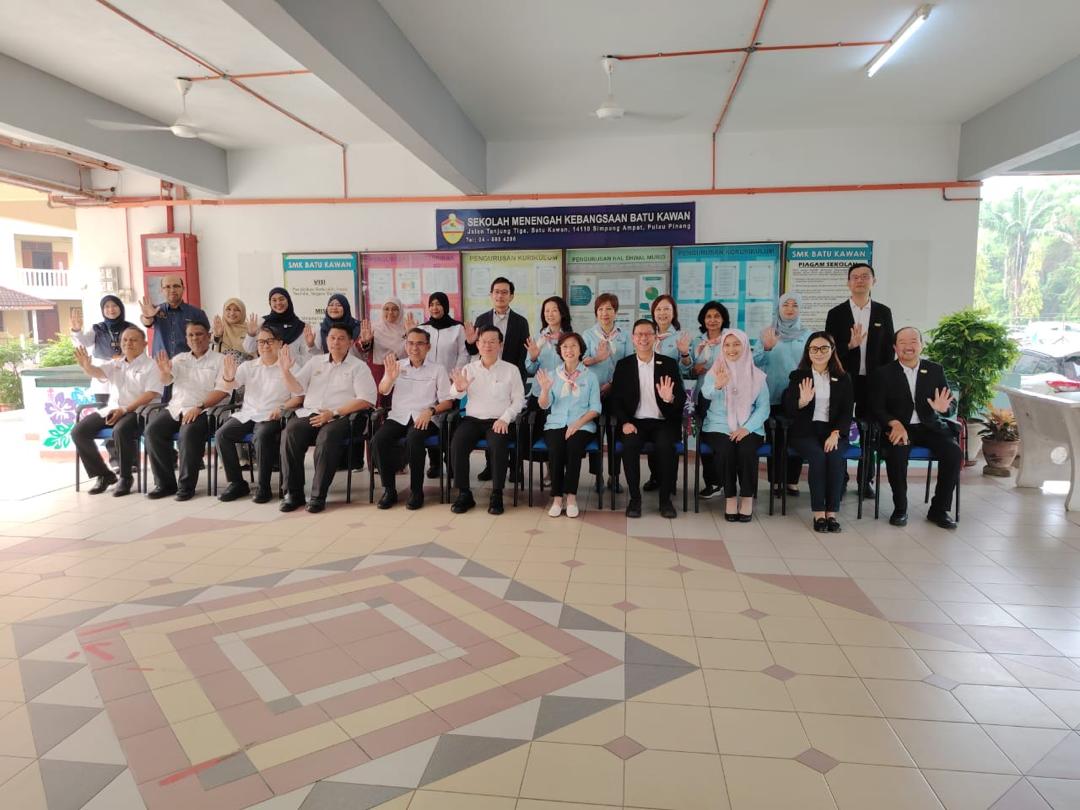
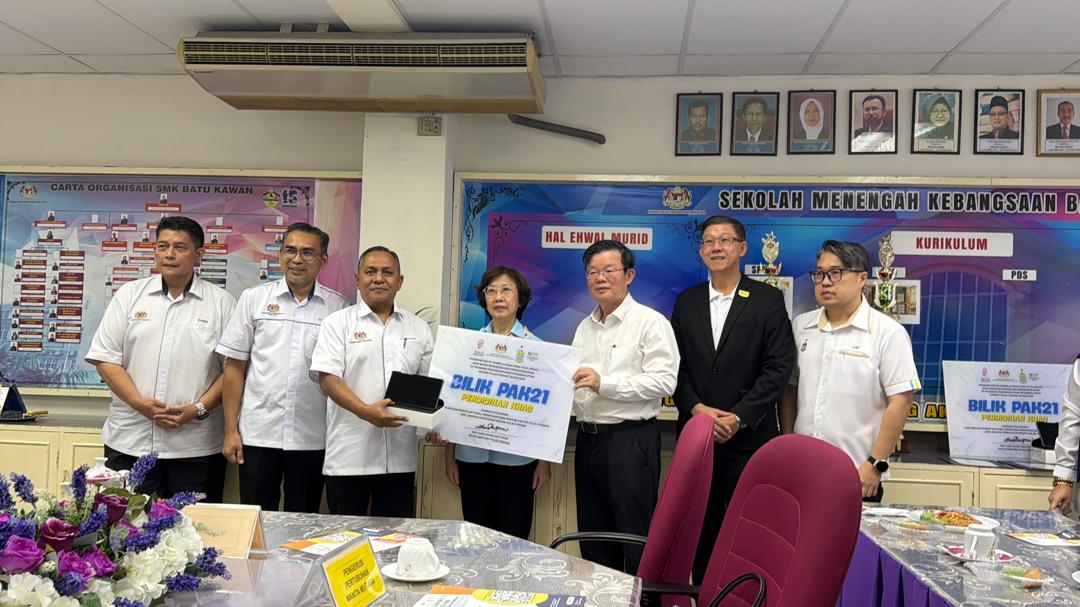 Also present were the Chairperson of the Mutiara Women's Association (Pertubuhan Wanita Mutiara, PWM), YABhg. Mrs Tan Lean Kee; the Political Secretary to the Chief Minister, Lau Keng Ee; the Director of the Penang State Education Department (JPNPP), Muhamad Dziauddin Mat Saad; the Chairman of the Penang 88 Captains Welfare Association, Dato' Seri Dr. Ooi Eng Hock; and the Principal of SMK Batu Kawan, Shamsul Fairuz Mohd. Nor, together with teachers and sponsors.
Elaborating further, Kon Yeow said that in the effort to build an inclusive smart state, no student should be left behind by the tide of technological change.
He added that the PAK21 approach not only emphasises academic achievement but also builds communication, collaboration, creativity and critical thinking skills.
"For PPKI children, these skills need to be applied according to each student's abilities so that they become more confident, independent and able to interact with the outside world.
"This is in line with the aspirations of Penang2030 Vision to build a smart and green state that is family-focused and inclusive for all," he explained.
In that regard, Kon Yeow expressed his appreciation to JPNPP, PWM, the Penang 88 Captains Welfare Association, as well as the strategic partners and sponsors who stepped forward to bring the initiative to life.
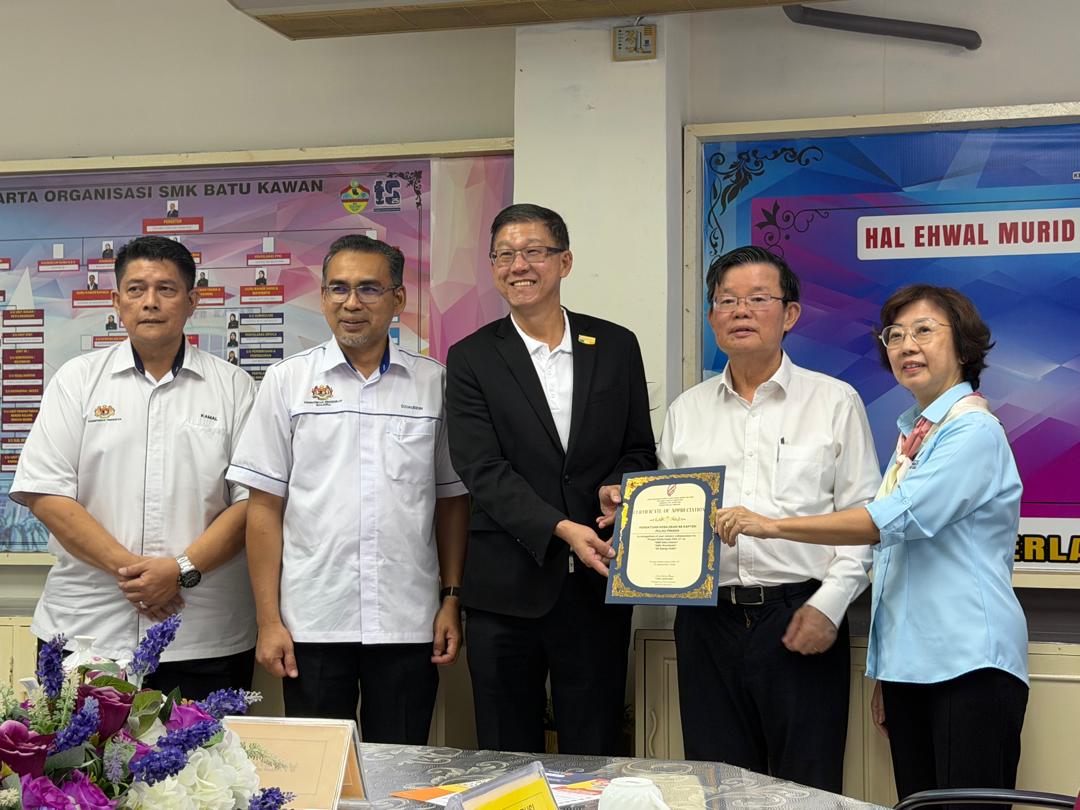 "I am grateful that in Penang there are many non-governmental organisations (NGOs), private sector bodies and government institutions that are willing to work with the State Government on various initiatives that benefit the community.
"I would like to say well done and thank you to the sponsors for this initiative," he continued.
Meanwhile, Lean Kee said the collaboration serves as an example of how the government, community organisations and the private sector can work hand in hand to create a greater impact for society.
She said PWM was deeply honoured to be part of the sincere effort, continuing the support and sponsorship for the implementation of joint projects with strategic partners.
"Inclusivity is not merely about providing a classroom for students with special needs.
"Inclusivity means ensuring that they are truly accepted, valued and given equal opportunities to learn, grow and reach their potential.
"Education must look at potential, not shortcomings; open opportunities, not create limitations," she stressed.
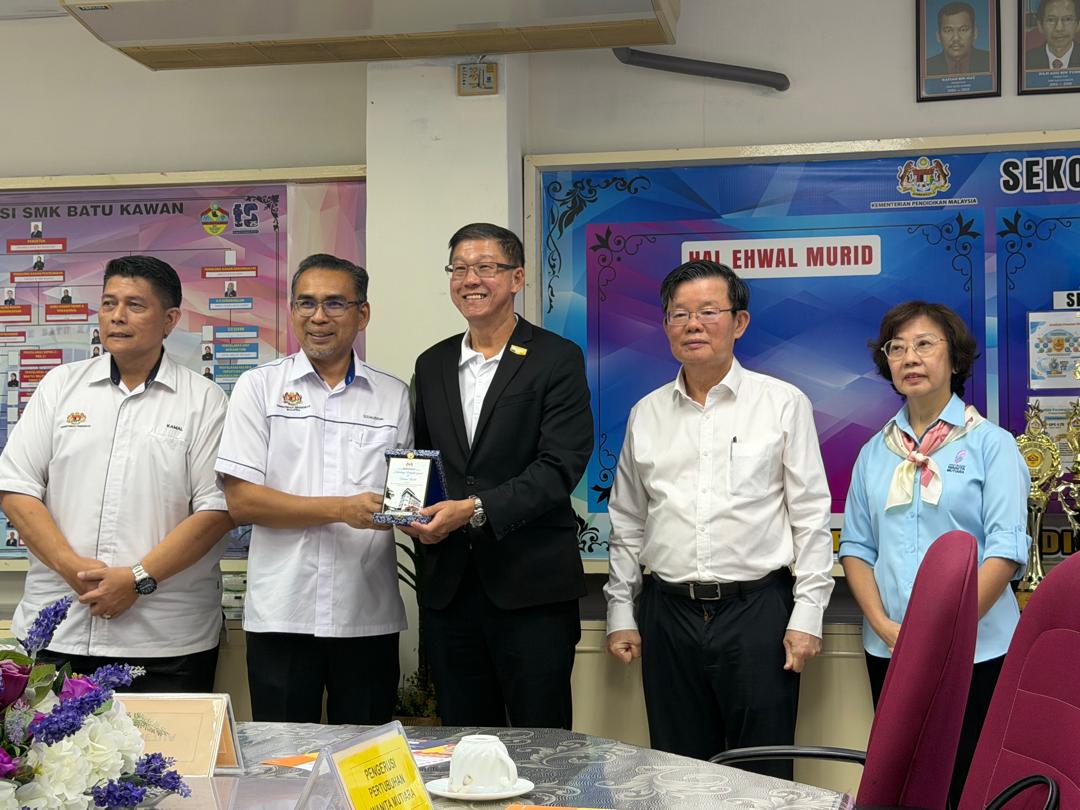
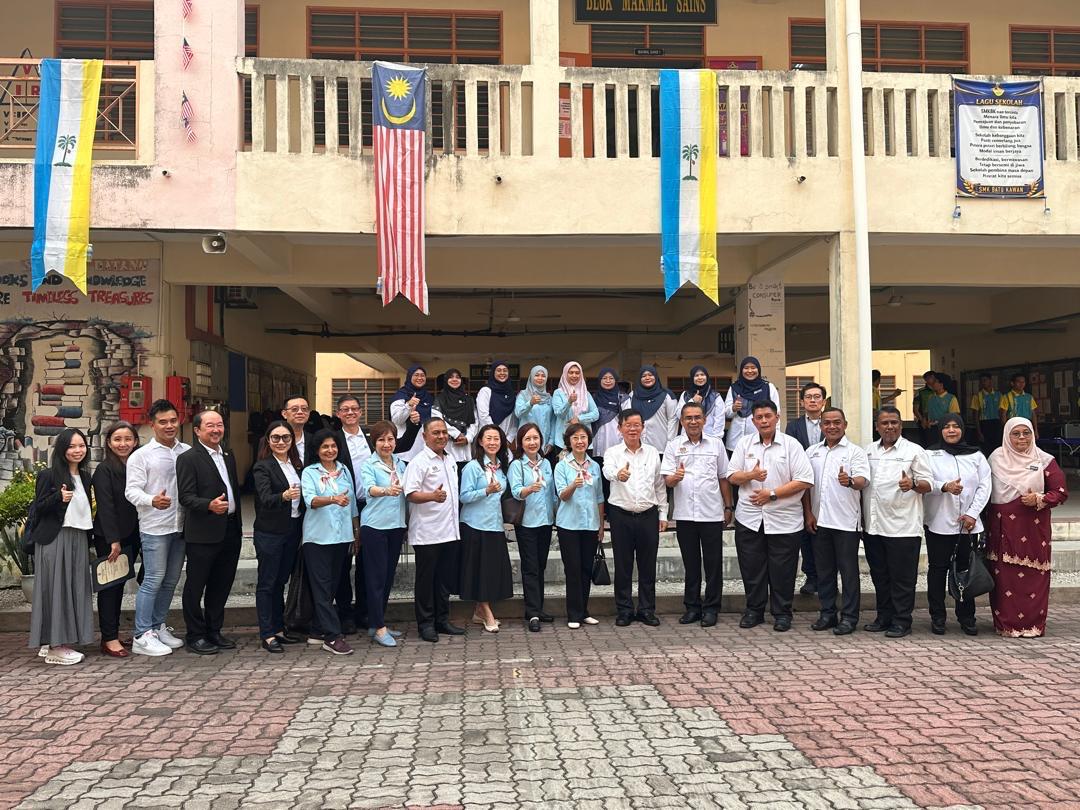 Lean Kee also expressed her appreciation to the teachers, whom she described as a key pillar in ensuring that the implementation of PAK21 for PPKI students has a meaningful impact.
Meanwhile, Muhamad Dziauddin said that ICT initiatives are being implemented in three PPKI classrooms at SMK Batu Kawan, SMK Westland, and SK Bakar Indah, respectively.
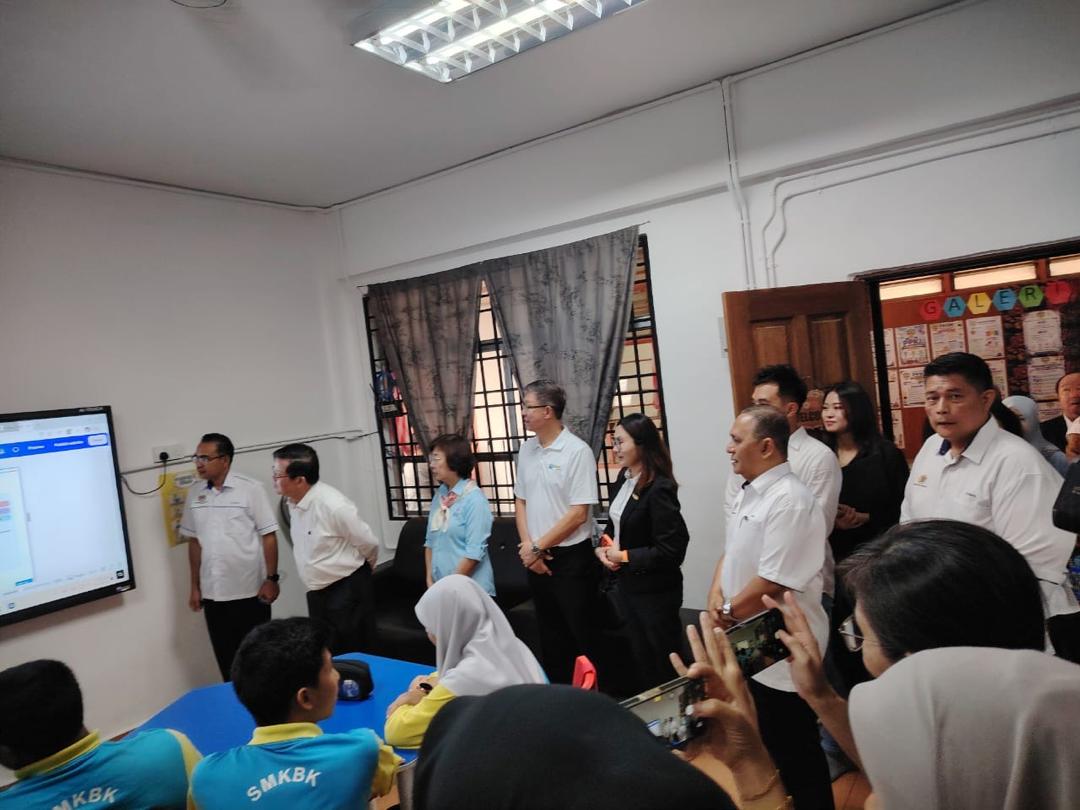 According to him, the facilities aim to expose students to the digital world, information and communication technology (ICT), and artificial intelligence (AI) as preparation for the future job market.
"The Treatment and Education of Autistic and Related Communication-Handicapped Children (TEACCH) concept is also used in upgrading classrooms to improve students' comfort and learning effectiveness," he said.
He further said that the implementation of the initiative also receives the support of the Penang 88 Captains Welfare Association and several other agencies, which continue to provide related facilities and amenities.
In a related development, Muhamad Dziauddin said that 142 classrooms have been upgraded so far through the MAKERLAB initiative.
In addition, he said, 398 schools are reported to have smart board facilities, while infrastructure support such as fibre optic connections and internet access continues to be strengthened to support the use of ICT in the learning process.
He said the government is also providing five sets of hybrid classes, in addition to expanding the implementation of PAK21 through classes equipped with internet access and smart boards.
"Various agencies are also playing a role in upgrading classrooms in other schools, including primary schools and SMK Sri Bayu.
"Overall, these efforts show a continuous commitment to ensuring that the transformation of digital education can be enjoyed by all students, including students with special needs," he added.
 This article was first published by Buletin Mutiara on 15 September 2026 and has been translated into English and reproduced here with attribution. [Read the original article (in Bahasa Malaysia) at Buletin Mutiara](https://www.buletinmutiara.com/ketua-menteri-hargai-komitmen-pelbagai-pihak-perkukuh-agenda-pendidikan-inklusif/).